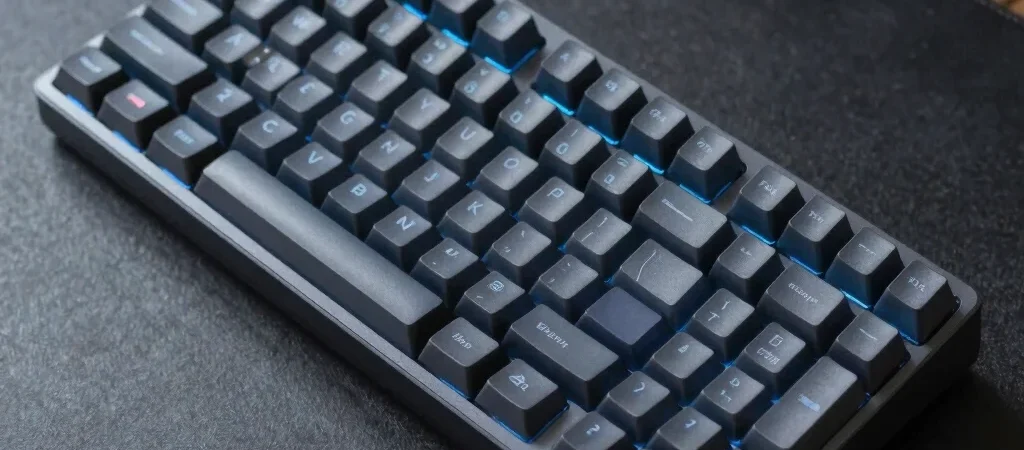
A reliable mechanical keyboard transforms daily typing accuracy and physical comfort through precise physical actuation. Choosing between linear, tactile, or clicky switch variants comes down to actuation distance, operating force measured in grams, and acoustic profile. Evaluating essential specs like hot-swappable PCB design and keycap material helps ensure long-term hardware endurance.
Switch Actuation and Tactile Dynamics
Key switch mechanics dictate every keystroke feel and actuation speed. Linear switches offer a smooth, uninterrupted travel path ideal for rapid input, whereas tactile switches provide a distinct feedback bump at the actuation point. High-durability mechanical switches are typically rated for up to eighty million keystrokes, utilizing gold-plated cross-point contacts for uninterrupted signal transfer.
Polling Rates and Chassis Construction
Input response depends heavily on motherboard polling rates, with modern keyboards offering one thousand hertz reporting frequency over wired USB or 2.4 Gigahertz wireless connections. Solid aluminum top plates paired with sound-dampening silicone gaskets isolate key resonance, producing a solid acoustic feel. Doubleshot PBT keycaps resist surface shine and key legend wear over years of daily work.
Connectivity and Official Store Links
Tri-mode connectivity options let users seamlessly toggle between wired, low-latency dongles, and multi-device Bluetooth profiles. Internal rechargeable lithium-ion batteries provide extended operation when RGB lighting is set to moderate intensity. Access the direct link to examine full spec sheets and secure official marketplace pricing.